


DOOH is not a billboard – it's digital video in urban spaces
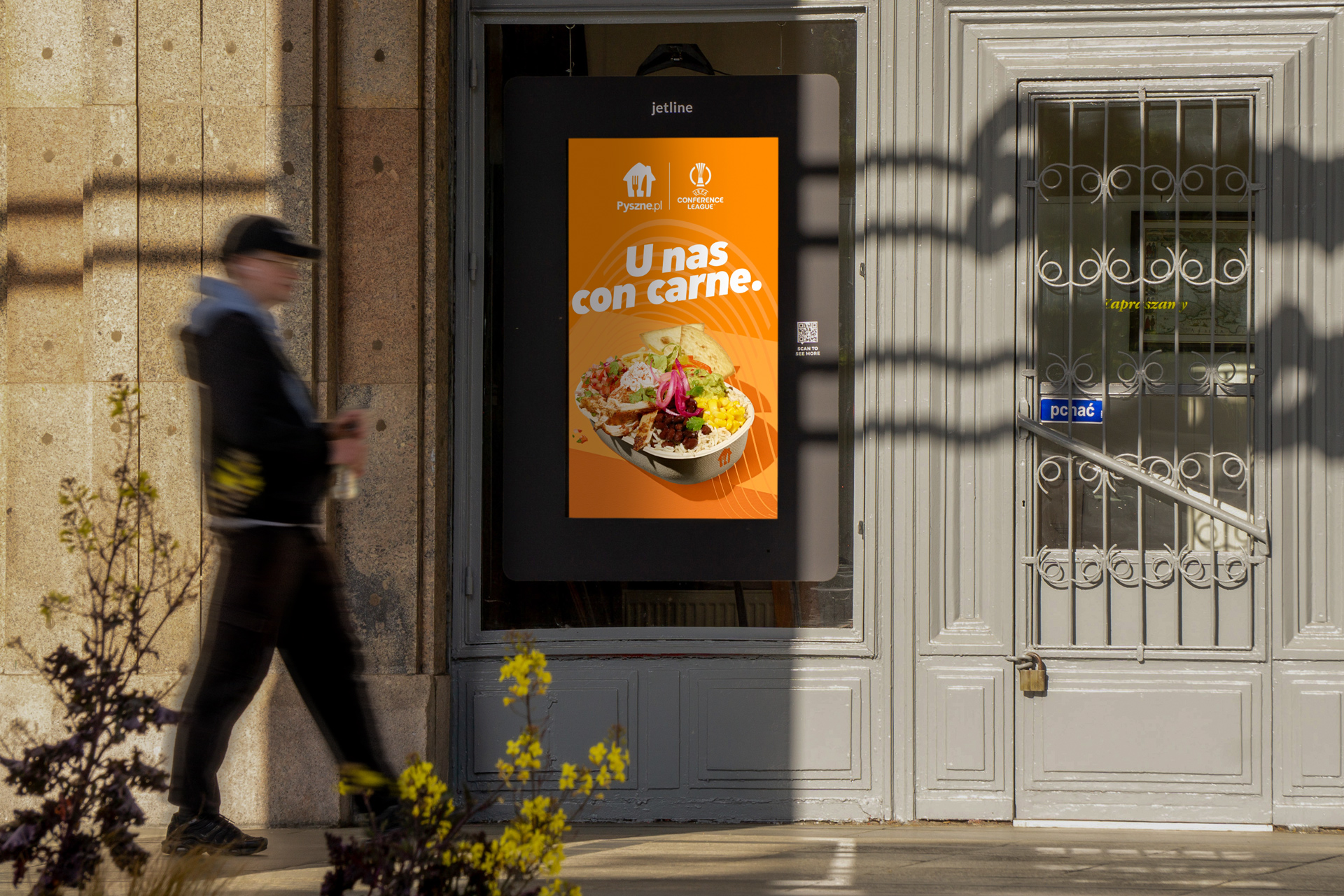
Not long ago, outdoor advertising was mainly associated with large, static billboards. Among traditional POS forms, leaflets were also used, but these are characterized by short durability and limited reach, making them ineffective without direct customer contact. Outdoor advertising is a broad category encompassing both billboards and modern digital solutions. A single catchy slogan and a well-chosen photo were enough for the message to work. Today, however, urban space has become dynamic, and with it, audience expectations have changed – outdoor advertisements promote both products and services.
All forms of advertising – from classic formats like billboards or transit advertising, to modern digital solutions – have evolved, adapting to new market demands. Among the outdoor advertising media, we can list LCD screens, digital kiosks, and urban displays, all of which enable dynamic content presentation. Instead of static images, we increasingly see screens that broadcast moving, engaging content. This is how DOOH works – Digital Out Of Home, or digital outdoor advertising.
What is DOOH
DOOH is a combination of outdoor advertising with the capabilities of the digital world. Instead of paper posters or banners, messages are displayed on LED and LCD screens – in shopping malls, train stations, bus stops, airports, or building facades. Advertisers have a wide range of available options that allow for flexible planning of advertising campaigns. LCD screens are one of the key DOOH formats, enabling the presentation of dynamic content and animations on digital billboards, kiosks, or screens in public transport. Digital billboards are among the most modern outdoor advertising media, offering the ability to display dynamic content, react to external conditions, and create innovative visual effects. These media serve as platforms for dynamic content presentation, allowing for quick message updates and flexibility in broadcast time. Such a format not only allows for content changes at any time but also for message personalization, tailored to the location, time of day, or weather.
Unlike traditional OOH, DOOH is not static. It's a moving image, often in the form of a short film or animation, which captures the audience's attention much more effectively than a billboard. Dynamic content and animations on digital media attract audience attention, increasing the effectiveness of advertising campaigns.
Additionally, DOOH campaign analysis allows for precise measurement of the effectiveness of advertising content and materials on digital billboards. The quality of advertising materials is crucial for achieving high campaign effectiveness.
Digital advertising and DOOH advertising open up new possibilities for advertisers, offering a wide range of available customization and targeting options. Campaign planning requires developing an appropriate strategy and selecting an optimal location, which translates into the effectiveness of marketing activities.
DOOH campaign effectiveness analysis is based on display statistics, and precise data enables campaign optimization and better message tailoring to audiences.
Why DOOH is more than just a digital billboard
At first glance, the difference might seem small – after all, it's also advertising in public spaces. However, DOOH offers a completely different quality. First and foremost, it's dynamic. Where a billboard displays a single image for several weeks, a DOOH screen can change spots every few seconds, reacting to the environment and situation. Moreover, DOOH provides greater flexibility in content management and exposure time, allowing for quick campaign planning and easy adaptation of advertisements to current needs. The exposure time of an advertisement is crucial for campaign effectiveness, influencing its efficiency and costs.
DOOH is also interactive. Modern systems allow for integrating advertisements with external data – displaying one message when it rains and another when the sun shines. Some networks use motion sensors, facial recognition, or phone data to tailor broadcasts to target audiences. The choice of appropriate technologies and media determines campaign effectiveness. Dynamic content attracts audience attention more effectively than traditional forms of advertising. The integration of informational and advertising functions in DOOH systems further enhances the appeal of the message.
An advantage of DOOH is the ability to present content that changes in real-time. This solution allows for quick reactions to changing environmental conditions, such as weather, time of day, or local events.
Measurability is equally important. Traditional outdoor advertising does not provide precise reach data, whereas DOOH can be analyzed similarly to online campaigns – using display statistics, traffic intensity, or even demographic data. There are correlations between location, broadcast time, and media type that influence campaign effectiveness and allow for its optimization.
Advantages of DOOH Advertising
Digital advertising in urban spaces offers businesses immense flexibility. Content can be changed at any time, without the need to print new materials. It's possible to precisely tailor the message to the location, time, weather, or events. Additionally, precise audience targeting allows for more effective reach to a selected group of customers. Moving images attract the eye and evoke emotions, making them more memorable than static graphics. Furthermore, DOOH increases the effectiveness of advertising campaigns and builds brand awareness among audiences, allowing for broad reach and effective engagement with potential customers. The importance of brand awareness in the context of DOOH effectiveness is crucial for achieving marketing goals. The potential of this form of advertising in maximizing campaign results cannot be overstated.
The ecological aspect is also significant. The absence of paper, glue, and physical waste genuinely limits environmental impact. DOOH also allows for easy integration of communication with online campaigns, social media, or mobile applications, creating a consistent brand presence across various channels. The role of media in building a consistent brand presence is extremely important, especially when planning communication strategies and collaborating with media agencies.
How to Create Effective DOOH Campaigns
Utilizing DOOH requires a different mindset than with billboards. The audience has only a few seconds to engage with the advertisement, so the message must be simple, understandable, and dynamic. To achieve the best results, proper DOOH campaign planning is essential – this includes strategic screen placement, technology management, and collaboration with experienced agencies, which significantly impacts the effectiveness and efficiency of advertising activities. The campaign should be adapted to the specifics of the market, industry, and the selection of appropriate formats that best suit the company's goals and the characteristics of the location.
It's important to ensure contrast and readability so that the text is visible even from a distance. Movement should attract, not distract – an excess of effects can work contrary to the intended goal. It's also very important to adapt the content to the context – different messages will work well in an office building, others at a bus stop or in a shopping mall.
Collaboration with agencies and media houses provides access to a broad portfolio of services and experience, which translates into better campaign results. Choosing experienced partners makes sense because companies specializing in DOOH services can negotiate more favorable terms and ensure access to the best solutions.
A well-planned DOOH campaign can work both for brand image and sales. It can support promotions, events, employer branding activities, or social campaigns. Campaign planning and management should be adapted to the company's strategy and goals to maximize the effectiveness of advertising activities.
Creative Use of DOOH in Practice
Globally, DOOH is becoming a platform for spectacular and interactive projects. In London, a cosmetics brand used motion sensors, allowing advertisements to react to passersby. In New York, giant Times Square screens broadcast synchronized spots, creating a truly immersive experience.
In Poland, campaigns combining DOOH with weather or location data are increasingly common. When the temperature drops, a tea advertisement automatically displays the message "Warm up with us." Such personalization builds natural engagement and positive emotions towards the brand. In modern DOOH campaigns, the integration of informational and advertising functions is increasingly used, allowing for even more effective reach to audiences. Furthermore, DOOH enables interaction with audiences – for example, through the use of QR codes or other user engagement tools, which further increases campaign effectiveness and allows for a better understanding of customer needs.
DOOH media can be found not only in shopping malls and at bus stops but also in public transport and medical facilities, which are attractive locations for precise campaign targeting, especially in the healthcare industry.
The Future of Visual Communication in Urban Spaces
Technological development means that DOOH is becoming increasingly integrated with the digital ecosystem of brands. Campaigns are increasingly planned using a programmatic model, i.e., automatic purchase of ad placements based on traffic and user behavior data. This allows advertisers to precisely plan budgets and display advertisements where they yield the best results. Key locations are city centers, where high pedestrian and vehicle traffic maximizes campaign visibility.
In the coming years, we will see even greater interactivity – screens reacting to user presence, integration with mobile applications, and augmented reality, which will connect the real and digital worlds. Real-time content management will enable dynamic message updates and immediate reactions to changing conditions.
Analyzing the effects of DOOH campaigns allows for increasingly precise budget planning. The use of precise data enables campaign optimization by monitoring reach, engagement, and audience interactions.
DOOH is no longer just an advertising medium – it is becoming an urban communication medium, which engages, informs, and inspires. The potential for further development of this form of advertising is enormous and allows for increasingly effective achievement of marketing goals.