


How DOOH Supports E-commerce Campaigns – Real-World Scenarios
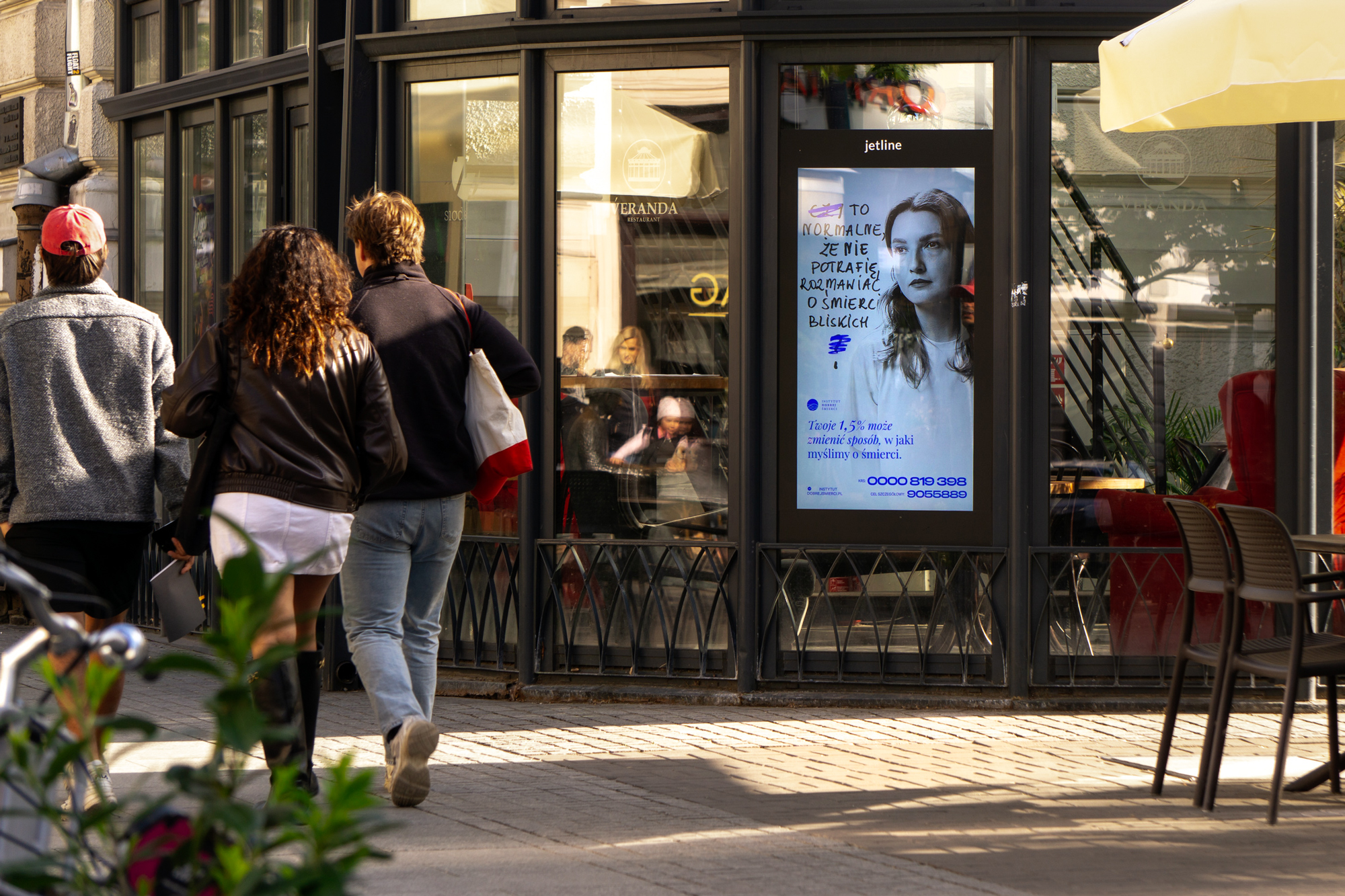
In a world where online advertising has been the dominant element of advertising spend for years, more and more e-commerce brands are recognizing the need to go beyond the online world. Declining TV viewership and rising digital reach costs mean that channels that genuinely increase campaign effectiveness are being sought. One of them is digital out of home, a modern form of outdoor advertising operating in public spaces, which is increasingly being used by e-commerce brands as part of their omnichannel strategy.
DOOH, or digital outdoor advertising, also referred to as out of home DOOH or DOOH digital out of, is increasingly becoming a crucial support for e-commerce campaigns, as it combines the reach of offline advertising with the flexibility and measurability of the digital world.
Why E-commerce Needs DOOH
Today, e-commerce operates in a highly competitive environment. Advertisements on social media, websites, and in apps all vie for the attention of the same users. In practice, this leads to a decline in the effectiveness of some performance marketing efforts and increasing customer acquisition costs.
DOOH advertising introduces brands into urban spaces, where the message exists outside the typical advertising feed. Ads displayed on digital screens in city centers, shopping malls, or public transport attract the attention of passersby and enable reaching a wide audience within the natural context of their daily activities, away from the internet's advertising environment.
Scenario 1 – Building Awareness Before a Sales Campaign
One of the primary applications of DOOH in e-commerce is building brand awareness before intensifying sales efforts. Digital advertising in public spaces helps increase brand recognition even before a user encounters online ads.
As a result, e-commerce campaigns launch with a higher level of recognition, which boosts the effectiveness of performance campaigns and reduces customer acquisition costs. Outdoor advertisements displayed on DOOH screens in shopping centers or along major thoroughfares reach a broad audience, including younger target demographics who are increasingly less exposed to traditional media.
Scenario 2 – Supporting Online Campaigns at Key Moments
DOOH perfectly complements online activities during specific periods, such as sales, product launches, or seasonal campaigns. Integrating DOOH with online efforts ensures the message appears at various touchpoints, increasing the number of brand interactions.
Advertisements displayed in public spaces at specific times or locations serve as reminders of offers during moments conducive to purchasing decisions. This combination of channels enhances campaign effectiveness and allows for better utilization of the media budget.
Scenario 3 – Directing Attention to E-commerce
Although DOOH is not a medium for direct interaction, it effectively encourages audiences to further engage with the brand. A simple, clear message displayed on DOOH screens can attract attention and guide users to an online store at a later point.
Unlike online advertising, DOOH messages operate in the real world, where they do not directly compete with other formats. Advertising becomes an integral part of the environment, which aids message recall and enhances its effectiveness.
Scenario 4 – Local Relevance and Context
One of the greatest advantages of DOOH is the ability to adapt content to the specific characteristics of a location. Advertisements can be displayed at points of sale, in shopping malls, or in urban areas near specific venues.
Digital outdoor advertising allows for reactions to current events, weather conditions, or traffic intensity. In practice, this means the ability to dynamically change ad content and adapt the message to the context and audience groups present in a given location.
Scenario 5 – Remarketing in a New Dimension
DOOH effectively supports online remarketing by working at the association level. A user who previously encountered a brand online sees it again in public spaces, which reinforces memorability and trust.
This form of brand interaction increases audience engagement without violating privacy or requiring individual message personalization. This is particularly important for e-commerce brands aiming to build long-term customer relationships.
Technology, Data, and Flexible Campaign Management
Modern technologies mean that DOOH is no longer a static advertising medium. Programmatic DOOH enables flexible campaign management, dynamic content delivery, and precise measurement of results based on data analysis.
Advertisements can be adjusted in real-time, allowing for reactions to changes in audience behavior and optimizing activities throughout the campaign. Real-time delivery not only increases effectiveness but also builds a competitive advantage over other brands.
DOOH as an Element of a Coherent E-commerce Strategy
Today, DOOH is becoming an essential element of effective e-commerce campaigns. Its strength lies in creating consistent brand experiences – both online and offline. Digital advertising present in public spaces complements digital activities, increases audience reach, and influences purchasing decisions.
Thanks to the integration of DOOH with other channels, brands gain broad communication opportunities that are not limited exclusively to the internet. This approach allows for building long-term effectiveness and a tangible impact of the entire campaign on sales results.
DOOH as Real Support for E-commerce Campaigns
DOOH is becoming a tangible support for e-commerce campaigns, as it combines the reach of outdoor advertising with the flexibility of digital advertising. In practice, this means greater brand recognition, improved reach to specific target audiences, and increased campaign effectiveness. In a world where print media is not crucial for e-commerce, it is important that a DOOH screen serves as another touchpoint in the video advertising ecosystem, complementing social media, TV, CTV, and streaming.