


DOOH Advertising Trends in 2026 - What Awaits the Polish Market?
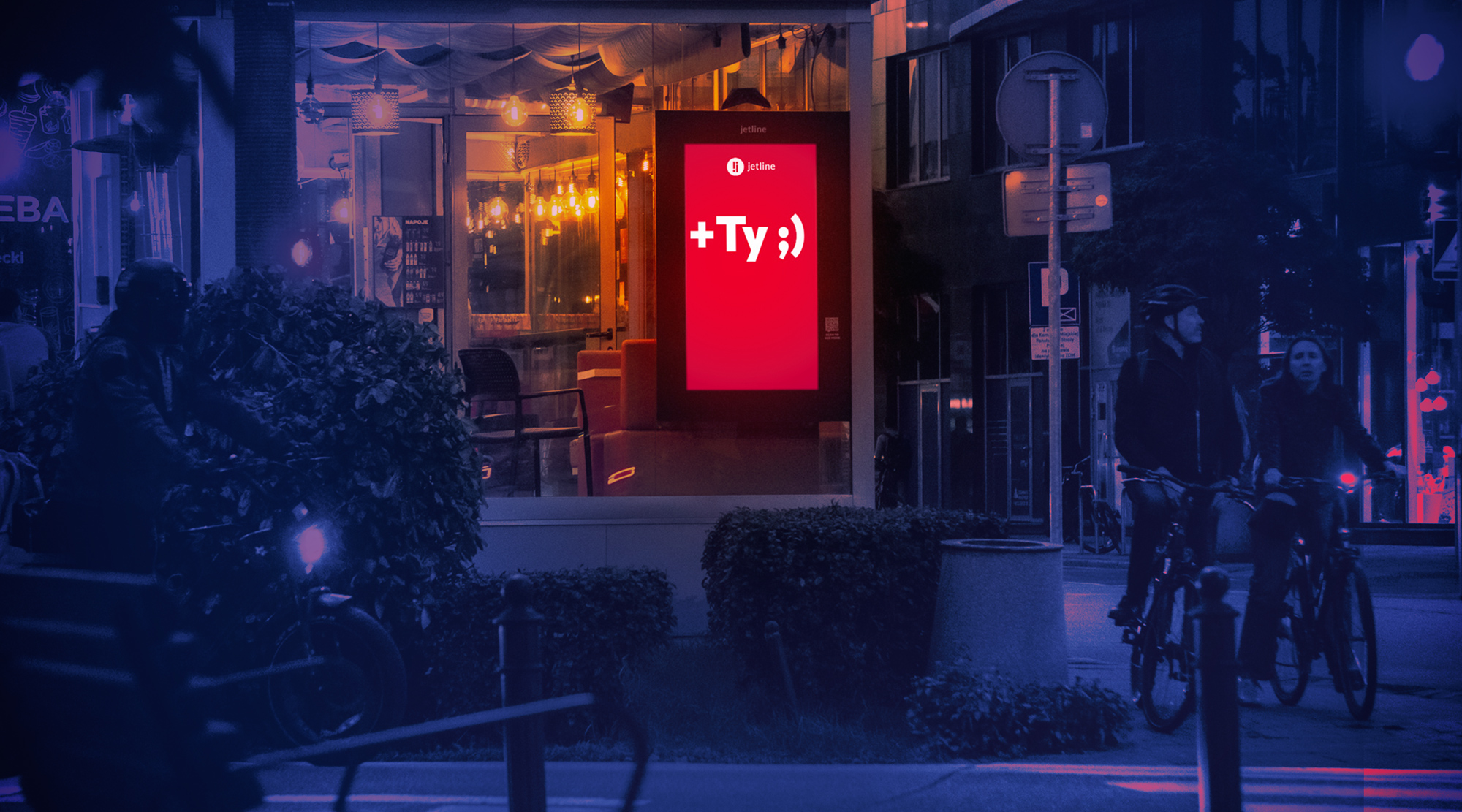
The DOOH (Digital Out-of-Home) market entered 2026 in very good condition. In many European countries, we are observing dynamic growth in spending, accelerated implementation of programmatic buying, and the growing importance of data and audience measurement. Based on the latest industry publications, we can now quite precisely identify the directions that will shape the Polish market in the coming months.
The first clear signal is the scale of growth of the medium itself.
Data from Germany shows that in 2025, DOOH spending increased there by more than a quarter year-over-year, and the share of digital media in the entire OOH market approached 50%. This confirms the direction of marketing communication development in Poland as well: DOOH is a full-fledged digital video channel in urban space. For advertisers, this means greater scale and availability of digital formats. For operators - further digitization of networks and reaching for proven solutions known from the online advertising market.
The second key direction is the development of programmatic buying.
Programmatic DOOH is ceasing to be a niche solution and becoming a natural element of media plans. DOOH campaigns can now be purchased in a model similar to online video, integrated with DSP platforms and planned together with mobile, social media or CTV. Flexibility is becoming increasingly important here: the ability to quickly launch campaigns, change broadcast schedules, and adequately and dynamically respond to so-called triggers, i.e., factors determining the course of the campaign (this can be air temperature, time, inventory status, fundraising amount, etc.). This trend will be particularly visible in nationwide campaigns and in projects combining DOOH with other digital channels within a single communication strategy.
2026 will also be a time for organizing effectiveness measurement issues.
In foreign markets, operators and industry organizations are working more intensively on common audience metrics standards, such as Visually Adjusted Contacts, and on hybrid models combining sensor data with mobility data. The direction of these efforts is clear: the market is moving away from simple traffic counting near the medium toward real estimation of ad visibility. In practice, this means greater emphasis on data transparency, comparability of results between operators, and easier integration of DOOH with cross-media planning. In Poland, the topic of measurement standardization will be one of the most important challenges for further medium development.
It is also increasingly clear that DOOH is no longer treated as a separate communication channel.
In many campaigns, it becomes an element of a broader digital video ecosystem, where screens in urban space amplify the message present in mobile, social media, and streaming platforms. There is also a phenomenon called "social-native DOOH," i.e., creatives designed to be readable in a few seconds, visually attractive, and naturally fitting into social media aesthetics. In Poland, this trend will favor campaigns with content created with further online sharing in mind.
Artificial intelligence is beginning to play an important role in DOOH development.
AI increasingly supports the campaign planning and execution process. It allows dynamic adaptation of creatives to the time of day, weather, or traffic intensity. Automatic broadcast optimization and creative variant generation are possible. In 2026, this will no longer be just supporting technology, but rather an analytical and decision-making layer present in the background of campaigns. For advertisers, this means greater reach precision, and for operators, new possibilities for real-time screen network management.
At the same time, environmental issues are growing in importance.
More and more brands are taking into account the carbon footprint of their campaigns. They expect data on energy efficiency and environmental responsibility from media partners. DOOH is an energy-efficient reach channel in this context. In 2026, reporting the environmental impact of campaigns will become more important. Companies will invest in developing energy-efficient screen technologies and optimizing broadcasts in terms of energy consumption.
Retail and performance also remain an important growth area.
DOOH is dynamically developing in retail and service points, at gas stations and in shopping centers. This makes it increasingly function close to the moment of purchase. In Western markets, the in-store displays (at-retail DOOH) segment, i.e., screens located directly at the point of purchase, is growing particularly fast. This trend will also be visible in Poland along with the development of retail media and campaigns focused on measurable sales effects.
2026 therefore promises to be a moment when DOOH in Poland will clearly shift toward digital video. Automation and programmatic buying will also be important. And delivering real audience data and deeper integration with other digital media will be significant. At the same time, environmental responsibility issues and the use of AI technology will play an increasingly important role.
For the DOOH market, this means entering a phase of greater maturity. For advertisers, access to a tool that allows combining the scale of outdoor advertising with the precision and flexibility of the digital world. DOOH is no longer just a modern version of classic OOH. It is a full-fledged element of the digital advertising ecosystem with its own scale, data, and