


Video in the city – how DOOH becomes an urban content feed
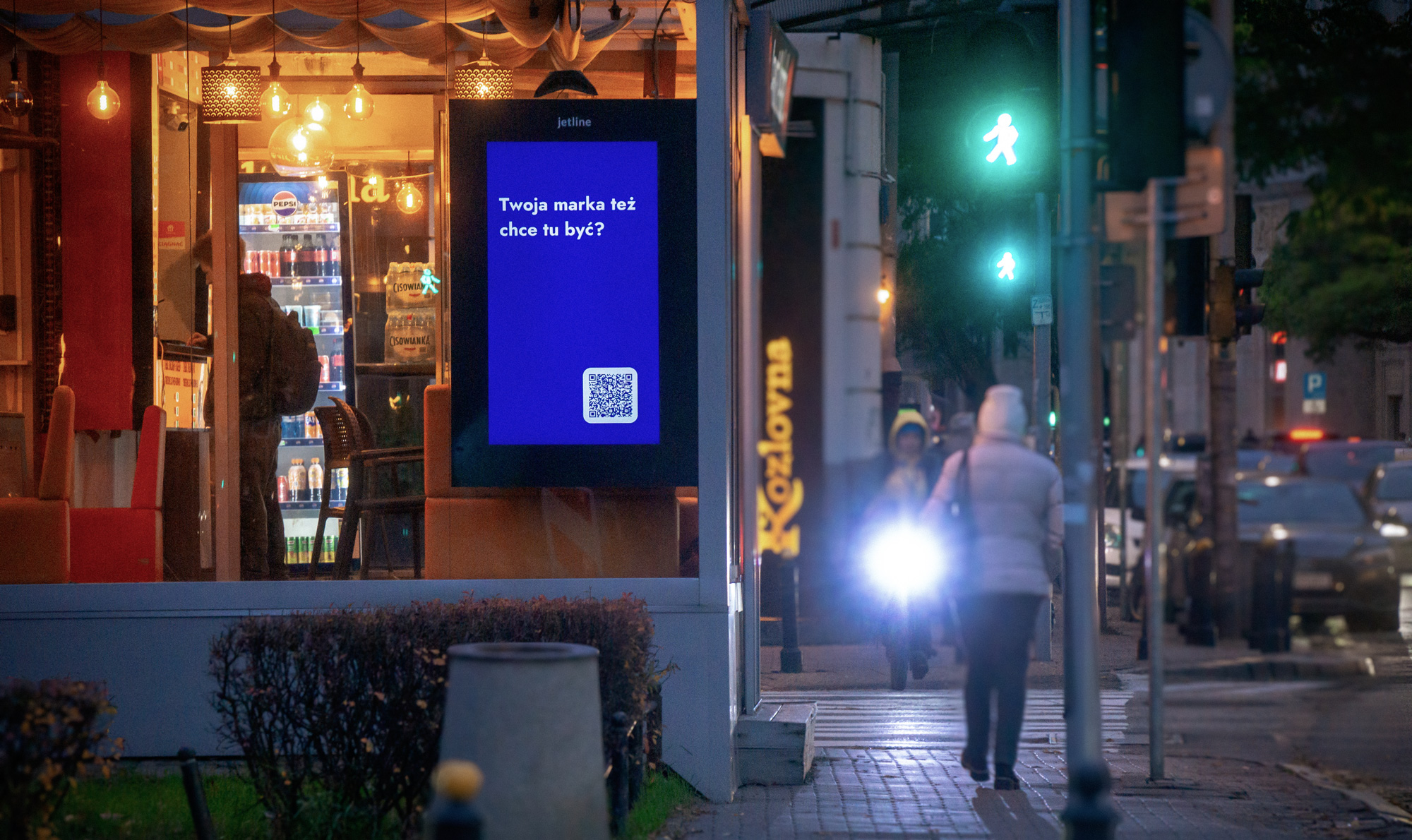
Cities have always served a communication function. It was in public space that the first billboards, posters and outdoor advertising media appeared, which informed, directed attention and built brand recognition. Today this role is evolving. DOOH (digital out of home), as modern digital outdoor advertising, increasingly functions not only as an advertising format, but as an urban video content feed – dynamic, current and embedded in the context of everyday life.
The city as a natural environment for video content
Video has become the dominant form of visual communication in digital and online. Users consume it on the internet, in mobile applications and on social media. At the same time, they spend more and more time away from home – on the way to work, in city centers, in shopping malls or in shared spaces. It is precisely there that DOOH screens and other digital media take over the role of another point of contact with content.
Unlike private screens, urban digital advertising media do not require active choice. Video appears in the field of vision of recipients naturally, fitting into the rhythm of urban space and daily activities.
From static message to dynamic feed
Until recently, traditional outdoor advertising was based mainly on static billboards and unchanging messages. The development of DOOH has changed this model. Today's outdoor advertising is largely dynamic content – video, animations and message sequences displayed on digital screens.
DOOH becomes an urban feed – variable, contextual and adapted to place and time. Ad display can be scheduled at specific times of day, and real-time content allows for reactions to urban events, weather conditions or traffic intensity. This makes the message no longer random.
Context and precise targeting
One of the key features that DOOH advertising offers is the possibility of precise broadcast planning. Precise ad targeting is based on location, time, demographic data and the nature of the place. In practice, this means reaching a wide audience, but in a controlled and conscious way.
DOOH advertising allows for effectively attracting the attention of recipients without competing with other content on smartphone screens. DOOH works in space, not "against" the user. This is an important difference compared to online formats.
Video that doesn't compete for attention
Content in digital media often fights for recipients' attention in a very short time. In an urban context, DOOH video functions differently. It is not interrupted by notifications, does not require scrolling or active interaction. Repeated contact with the message builds memorability and strengthens the message.
Thanks to this, digital advertising in DOOH can convey key information in a short time and influence purchasing decisions, while remaining an element of the environment, not its disruption.
Flexibility and technology in service of campaigns
Modern screens, including digital billboards and other modern advertising media, allow for full flexibility in content management. DOOH offers flexibility both at the planning and campaign execution stages. Creatives can be updated in real time, and broadcast can be adapted to changing conditions.
The technology used in DOOH also enables real-time audience measurement and in full compliance with GDPR, obtaining demographic data (age and gender of the audience), reporting, effectiveness analysis and integration with other online platforms. Thanks to this, DOOH campaigns become a coherent element of brands' communication strategy.
DOOH as an element of modern communication strategy
From advertisers' perspective, DOOH is a communication channel that combines the advantages of outdoor advertising with logic known from online advertising. Video in the city builds brand recognition, supports image and sales campaigns and enables reaching customers in the real world.
In a world of content overload, DOOH becomes an answer to user fatigue. The effectiveness of this medium results from presence in space, context and technology that allows for conscious and responsible communication planning.