


Programmatic DOOH – the future of media buying
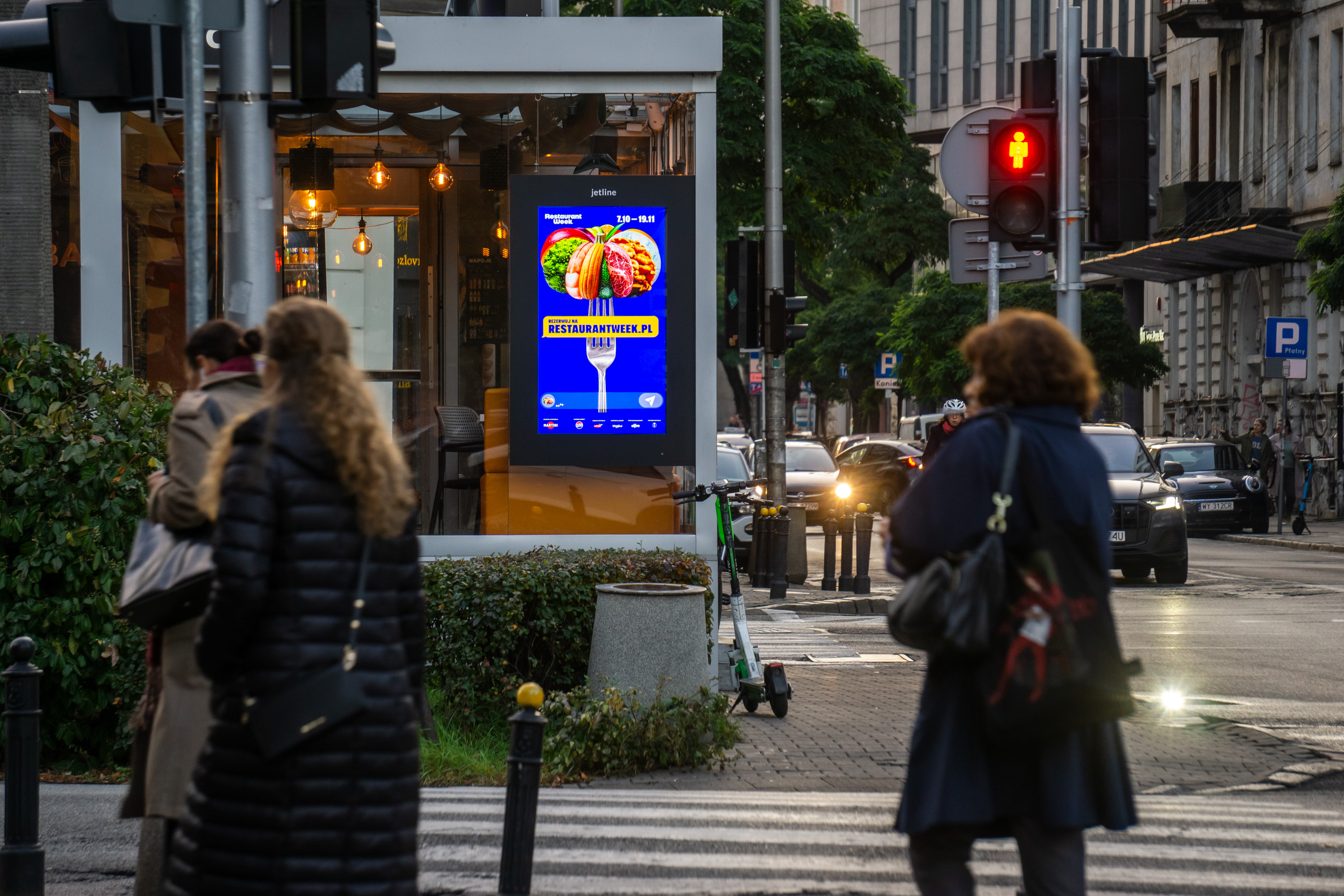
In recent years, the advertising market has undergone a massive transformation, with widespread digitalization playing a key role in this change. What was once exclusively the domain of the internet is now becoming standard in urban spaces. The combination of digital out-of-home with advanced automation means that programmatic DOOH is not just a fleeting trend, but the real future of media buying, giving advertisers unprecedented control over message delivery in real-time.
What is programmatic buying?
Simply put, programmatic buying is the automated purchase of advertising space using specialized algorithms and data. Instead of traditional negotiations with sales representatives and manual order placement, the entire process takes place via technology. On the advertisers' side are DSP platforms, and on the publishers' side are SSP systems, which meet in the ad exchange ecosystem. In this model, transactions can occur in real-time, allowing for bidding on a specific ad impression at the right moment. Although this model originated from programmatic online, its expansion to physical media within digital OOH opens up entirely new possibilities for brands to build reach.
How does advertising affect people?
To understand the effectiveness of modern campaigns, it's worth considering how advertising influences user behavior. Traditional online messaging is often ignored or blocked, whereas digital outdoor advertising cannot be skipped with a single click. High-quality video or static ads on large screens build strong brand awareness through economies of scale and prestigious locations. The human brain reacts faster to moving images in public spaces, increasing the chance of remembering the message. When programmatic DOOH combines these features with the right context, its impact becomes even stronger, genuinely influencing customer purchasing decisions.
What is programmatic advertising?
Programmatic advertising is a broad concept encompassing the automation of ad space purchasing across various channels. A key element of this process is the use of data – both first-party data and information from external partners. Thanks to modern technology, better budget planning is possible because advertisers pay not for general impressions, but for reaching a specific target audience. Automation eliminates human errors and allows for campaign optimization during its run, significantly increasing the effectiveness of marketing efforts and minimizing the risk of phenomena like ad fraud.
What is programmatic DOOH?
Programmatic DOOH is an intelligent combination of the reach of traditional out-of-home with the precision offered by online advertising. In the programmatic model, the purchase and display of content on urban digital screens occur automatically, based on data triggers. How does this process differ from classic ad loop buying? In traditional OOH, we buy time on a specific screen for a week or a month, whereas in programmatic, we buy reach to the right people under specific conditions. For example, a campaign promoting iced coffee might only activate when the temperature exceeds a certain value and traffic in a given location is highest.
Complementary Channels
In a modern marketing strategy, programmatic DOOH does not operate in a vacuum but is part of a larger ecosystem where different channels mutually reinforce each other. A user who sees an ad on a digital OOH screen may soon receive a consistent message on their smartphone, closing the sales funnel. Screens in shopping centers, acting as retail media, direct traffic directly to a website or a physical store. Integrating data from various sources allows for the creation of cohesive actions that accompany the recipient throughout the day, increasing search frequency.
Benefits for marketers in the programmatic DOOH model
Transitioning to a programmatic model in the outdoor advertising sector offers a range of tangible benefits for marketers. First and foremost, it allows for the use of audience movement data for precise targeting and segmentation with almost surgical accuracy. A huge advantage is also budget flexibility, as the absence of rigid contracts enables campaigns to be launched and paused at any time. Furthermore, optimization can be conducted in real-time, reacting to current broadcast results. Companies that adopt these solutions faster build a lasting competitive advantage, as data plays a key role in scaling their business and e-commerce efforts.
FAQ - Frequently Asked Questions
How does programmatic DOOH differ from regular digital screen advertising?
In the classic buying model, an advertiser purchases a specific number of impressions within a given time, regardless of who is in front of the screen. In the programmatic model, the system decides whether to display an ad based on audience data and context. This allows for much greater precision and makes the entire process more effective, as the message appears only when there is the highest chance of reaching potential customers.
Can user data be used in programmatic DOOH campaigns?
Programmatic DOOH campaigns effectively utilize audience data while maintaining the highest privacy standards. Thanks to ARA technology, traffic flows and trends in group movements are analyzed, broken down by age and gender. This allows for precise message personalization based on time and location. As a result, your advertisement reaches the target group as a mass, not a specific individual, ensuring full GDPR compliance. ARA, traffic flows and trends in the movement of groups of people are analyzed, broken down by age and gender. This allows for precise personalization of the message based on time and location. As a result, your advertisement reaches the right target group as a mass, not a specific individual, ensuring full GDPR compliance.
What ad formats work best in this model?
Dynamic video creatives and animations prove most effective, attracting the attention of passersby much more efficiently than static images. Thanks to automation, it's possible to prepare multiple variants of a single creative, which will be displayed interchangeably depending on the time of day or weather, further strengthening the message and making the campaign feel more tailored to the viewer's current situation.
Can smaller businesses also use programmatic DOOH?
Absolutely, as one of the biggest advantages of this model is the lack of high entry barriers often found in traditional outdoor advertising. Marketers can manage their budget flexibly, testing different locations and times of day on a smaller scale, and then increasing spending where they see the best results. This democratizes access to urban spaces for a wide range of advertisers.