


All Equal, or Some More Equal? When Warsaw Can Do More Than Private Businesses
Warsaw's landscape resolution is a bit like the yeti today—many people talk about it, but no one has actually seen it yet. For several years we've been hearing successive announcements: "the resolution will soon be in consultations," "the public display will be in spring," "the public display will be in autumn." Over the past six years these declarations have been repeated many times, yet the resolution still has not been adopted.
At the beginning of 2025, Deputy Mayor Renata Kaznowska announced that the landscape resolution in Warsaw would be adopted by the end of the year. However, this did not happen.
CJEU Preliminary Reference Questions May Also Affect Warsaw
In the meantime, circumstances have emerged that may have fundamental significance for the shape of Warsaw's landscape resolution. On June 2, 2026, the Supreme Administrative Court (NSA) referred preliminary reference questions to the Court of Justice of the European Union (CJEU) concerning the compatibility of certain provisions of landscape resolutions with European law, specifically with the Services Directive. Although the questions were raised in the context of a case concerning Krakow's landscape resolution, the CJEU's answer may have much broader significance—including for Warsaw and other cities.
History of Warsaw's Landscape Resolution
As a reminder, the Warsaw City Council adopted a landscape resolution on January 16, 2020. However, very quickly the Mazovian Voivode issued a supervisory decision declaring the entire resolution invalid, and his decision was subsequently upheld by the Provincial Administrative Court (WSA). In the justification for the decision, the Voivode pointed to the resolution's non-compliance with the law. He also drew attention to proceedings conducted by the Office of Competition and Consumer Protection (UOKiK) regarding unequal treatment of outdoor advertising market participants.
Why Does This Matter?
Because much indicates that the prepared draft in many respects refers back to the previous version, and therefore may contain the flaws that the NSA pointed out.
The NSA indicated that certain forms of advertising display are deemed inadmissible for some market participants, while they remain permissible on municipal infrastructure. It is precisely this difference in treatment of individual market participants that became one of the main reasons for referring the questions to the CJEU.
Although the NSA's observations formally relate to the Krakow resolution, it is hard not to see their significance for Warsaw as well. Warsaw's situation is particularly unique. On one hand, the city creates the rules for the outdoor advertising market; on the other, it owns one of the outdoor advertising companies, which further complicates the situation. That is precisely why it is especially important that the proposed resolution raises no doubts about equal treatment of all businesses.
Equal Rules for All Market Participants
It is worth emphasizing right away, however, that the problem is not the mere presence of advertising in urban space. Advertising is needed—by the city as well. Warsaw has for years used it on its own infrastructure, utilizing it to communicate with residents. And that's perfectly fine. So this is not about making advertising disappear from the city. It's about ensuring that other outdoor advertising market participants have similar opportunities. If certain solutions are permissible for municipal infrastructure, it is hard to find justification for why their use by private businesses is ruled out from the start.
Advertising Media Currently Operating on Municipal Infrastructure:
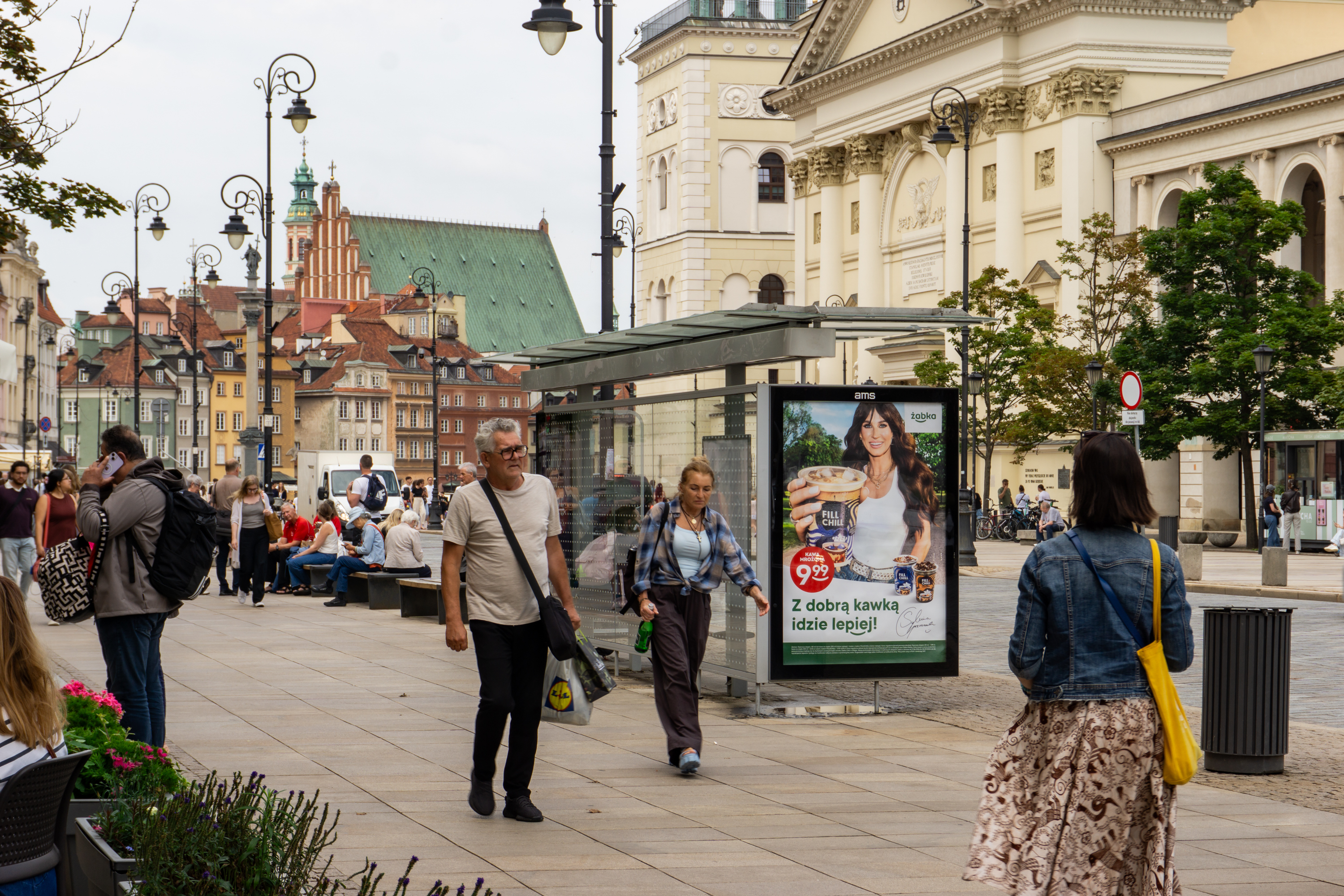 Advertising at Bus Stops
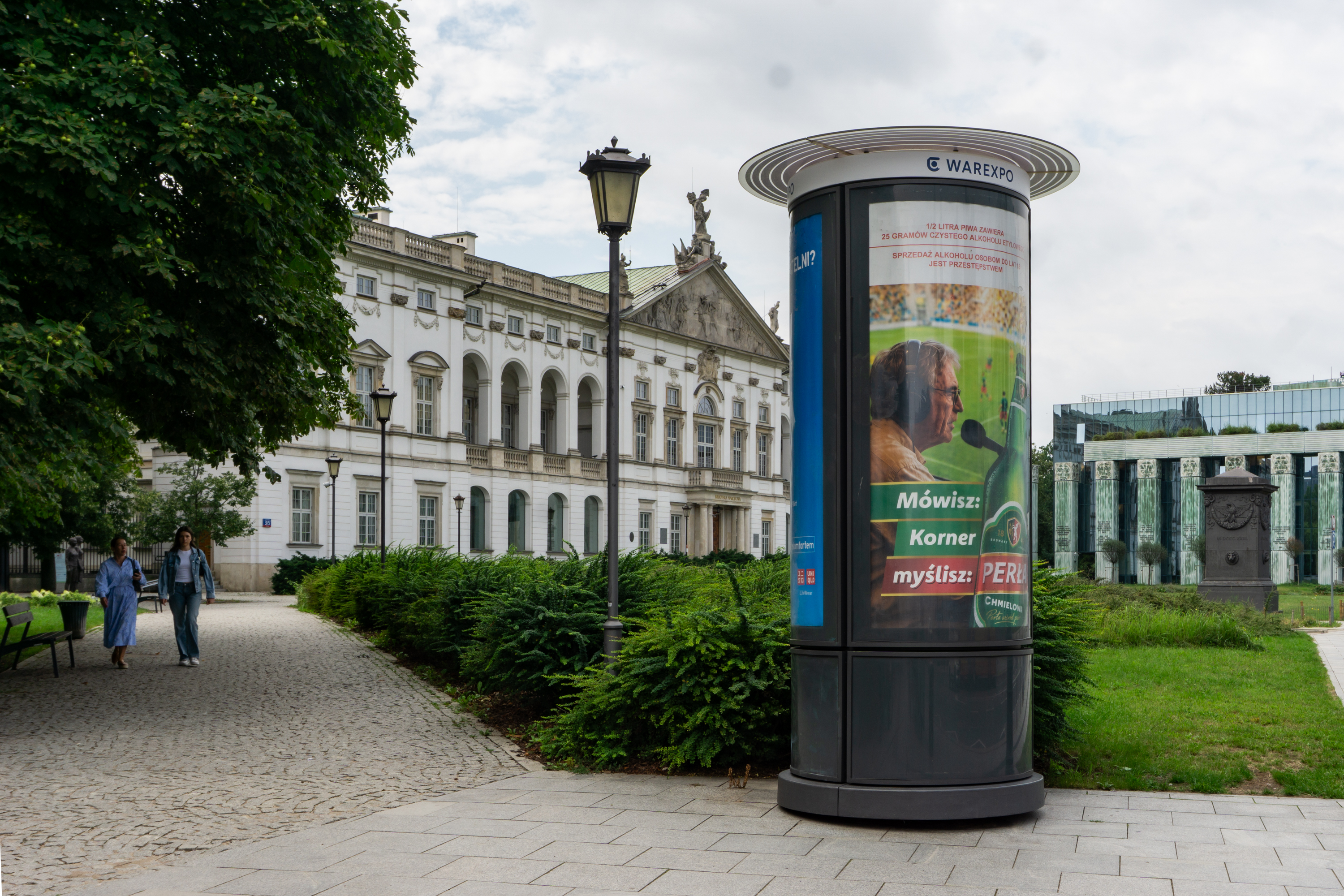
Advertising on Advertising Pillars
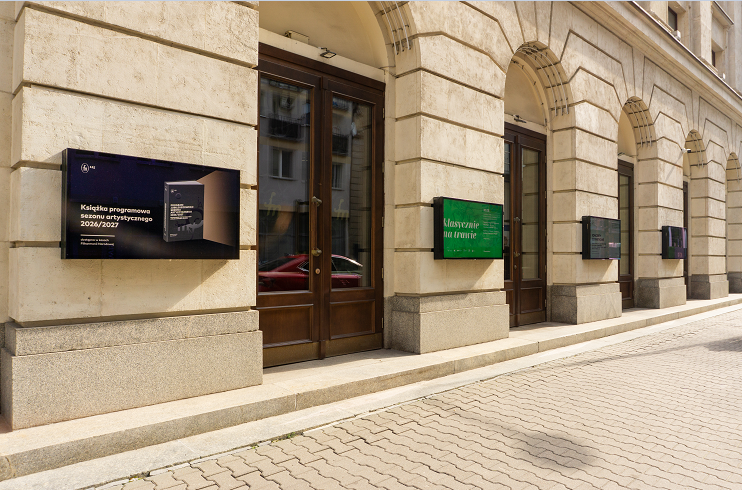
Advertising on Public Utility Buildings
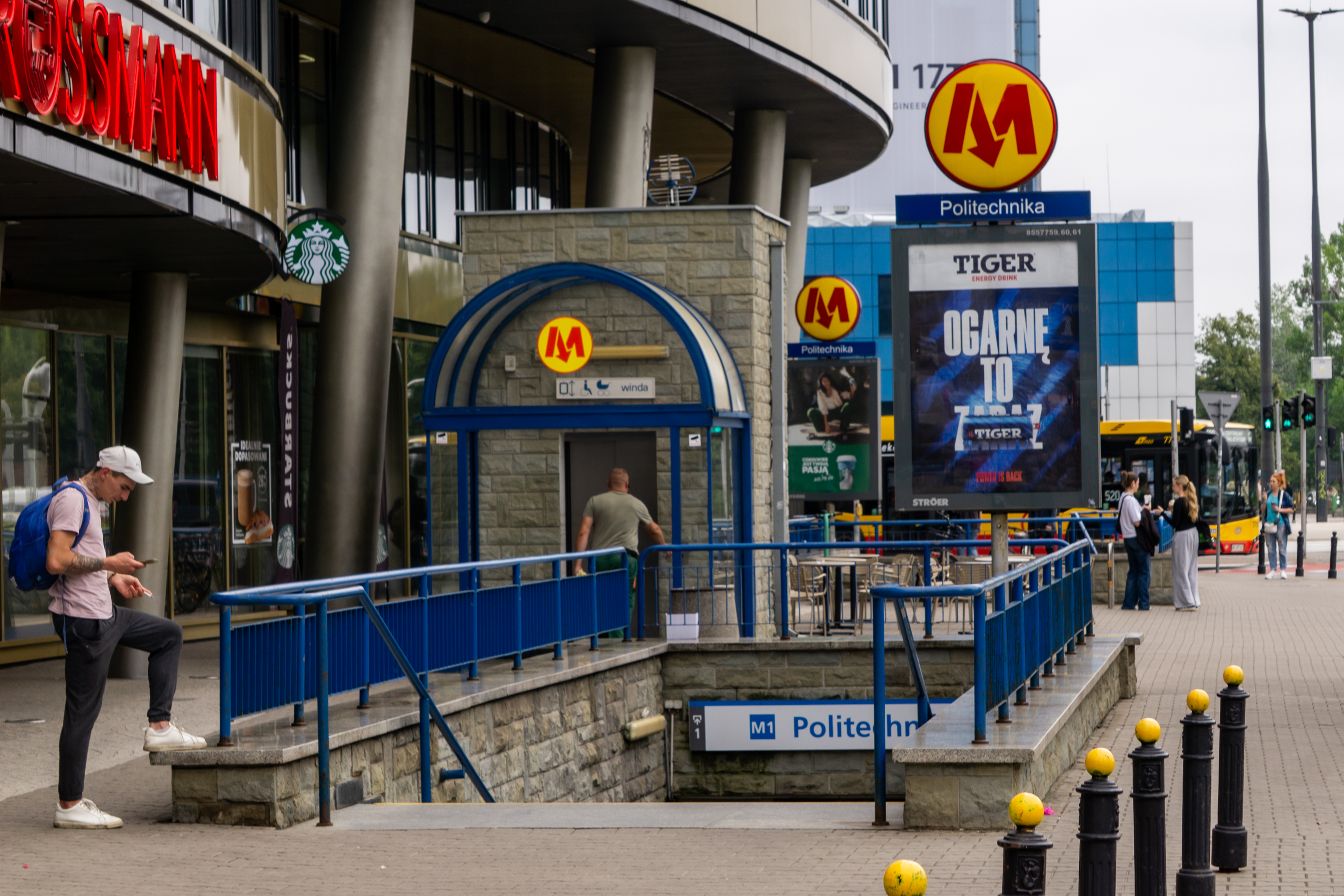
Advertising at Metro Entrances
Are these ads unnecessary? Quite the opposite.
They are the best proof that advertising is also needed in urban space.
We do not know, of course, what decision the Mayor of Warsaw will make regarding further work on the resolution. One thing seems certain: if the resolution does not introduce solutions ensuring equal treatment of all outdoor advertising market participants, Warsaw may find itself in a situation similar to the one Krakow's resolution is currently in, and the city will expose itself to years of litigation and the obligation to pay compensation.
We do not expect the elimination of advertising at bus stops, advertising pillars, metro entrances, or other elements of municipal infrastructure. We only expect that other businesses operating in the same market have similar opportunities. Equal rules of competition should not end where the city's ownership begins.
We also invite you to read other articles on this topic:
Landscape Resolutions Before the CJEU. Why Wait?
Does the landscape resolution really protect the landscape?
CJEU to examine landscape ordinances. Supreme Administrative Court questions exceptions.
Landscape resolutions again before the Tribunal – this time European - Law for Local Government