


How to build cohesive 360° video campaigns?
Channel Synergy: TikTok, YouTube, DOOH, and Mobile
Modern marketing doesn't end on a smartphone screen; the real challenge is creating a strategy where the digital world seamlessly intertwines with the physical urban space. The key to success is using DOOH screens as a foundation that gives campaigns real scale and physical presence. When we combine the reach of digital out-of-home with the precision of video ads on social media, we create an ecosystem where the brand becomes a natural part of the recipient's daily life. This integration ensures that every dollar spent works harder, building brand recognition both online and in key urban areas.
DOOH as the unifying element for video strategy
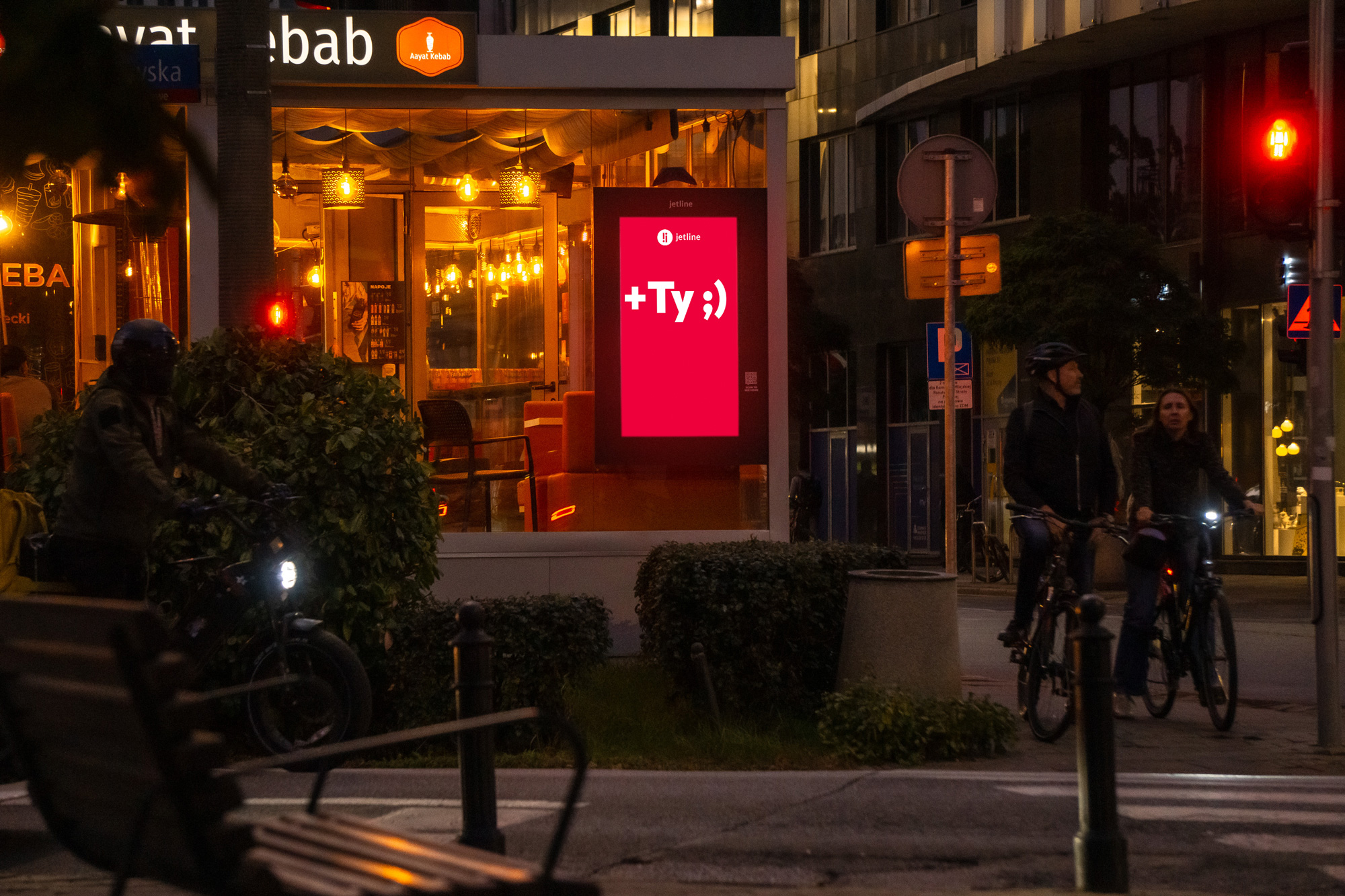
An effective 360° campaign begins with understanding that your customers are multitasking individuals, and urban digital screens are the only medium that cannot be skipped or turned off. While users browse TikTok in the morning and YouTube in the evening, DOOH screen ads accompany them throughout the day on their way to work or shopping. As an advertiser, you must view digital screens as a base that reinforces video messages sent through other channels. In the earlier stages of the sales funnel, it's worth focusing on building awareness by leveraging the broad reach and visibility of urban screens. In practice, this means DOOH builds context and trust, which are then utilized by Google and social media ads to finalize transactions.
YouTube and DOOH: A Trust-Building Duo
For years, YouTube has served as the main hub for video content, but it gains maximum effectiveness when combined with DOOH campaigns in the MORE network When planning YouTube activities, it's important to remember that users often arrive there after prior contact with the brand in the real world. Google Ads provides an incredible tool here: precise targeting based on real purchasing intentions that have been sparked by large-format screens in city centers. You can display in-stream videos to people who regularly visit your points of sale, as confirmed by geolocation data.
An extremely important support in this process is ARA technology (Audience Reporting & Analytics). Thanks to ARA sensors mounted on DOOH media, we don't have to rely on guesswork – the system provides precise data on who actually saw your ad in the city and when. These measurable real reach (OTS) indicators allow for better synchronization of YouTube spot emissions with the physical presence of your target audience near urban screens.
It's also worth using YouTube's interactive features to close the process that began on the street. Adding buttons that direct to a website or sign-up form means the video campaign is no longer just a one-way message. Because YouTube is part of the Google ecosystem, you can easily analyze reports and check how the brand's presence on DOOH media has influenced the increase in searches for your services and the effectiveness of video views on the network.
TikTok and Mobile: Closing Conversions with DOOH
TikTok and mobile channels are where speed matters, but their effectiveness dramatically increases when supported by digital out-of-home. Thanks to programmatic DOOH technology, you can display mobile ads precisely to users who are currently within range of your media. By using vertical formats on smartphones, you capture the recipient's full attention with a message they just saw on a large scale in the city.
Such synergy allows for direct interaction – adding links leading to a store in a TikTok ad is much more effective when the brand is already recognized due to its presence in prestigious locations. Remember that videos on phones are often watched with the sound muted, so a strong visual message, already familiar to the recipient from DOOH screens, allows for instant brand identification and a decision to click on the offer.
Why is DOOH advertising essential in a 360° campaign?
Digital Out Of Home advertising is an element that gives your campaign credibility and significant weight. Digital screens allow for the display of video content in situations where the user is not currently using their phone, eliminating communication gaps. Modern campaigns conducted in this model, supported by ARA technology, allow for synchronization with audio ads or search engines – if analytical systems confirm that a given audience segment had contact with a spot in public space, they are much more likely to click on your ad online. DOOH ads in the MORE network allow for incredible flexibility and make the entire 360° campaign intelligent, reacting to the environment and real-time target audience behavior.
Frequently Asked Questions (FAQ)
Why should DOOH be treated as the foundation of a video campaign?
DOOH builds 'social proof' and a physical brand presence that cannot be replicated by online advertising alone. When a user sees the same brand on a large screen in the city center and on their phone, they subconsciously perceive it as bigger and more trustworthy. This leads to better conversion results for every other form of promotion, from TikTok to YouTube.
Does DOOH support SEO and search engines?
While not a direct ranking factor, urban screen campaigns generate a huge increase in branded queries. When people see dynamic videos on the street, they are more likely to type the company name into Google. This organic traffic signals to algorithms that your website is relevant, which translates into better visibility in search results.
How to measure the impact of DOOH on mobile and online video campaigns?
Tracking correlations and utilizing the ARA system are key. Thanks to reports from ARA technology, we know exactly the real number of recipients, broken down by gender, which can be compared with data from Google Ads or TikTok Ads. This allows us to observe an increase in engagement and a decrease in customer acquisition costs (CPA) in periods and locations where the urban campaign was active.
Does video production for DOOH ads differ from that for YouTube?
Yes, creatives for city screens must be even more concise. On YouTube, you have time to build a narrative, but on the street, you only have a few seconds to capture attention. The best results come from simplifying the message on DOOH and making it a visual "hook" that can be expanded upon in longer video content, for example, on social media platforms.