


Landscape Protection and the Landscape Resolution in Krakow
Does the landscape resolution really protect the landscape?
Or does it focus solely on business advertising, overlooking other elements that have an equally significant impact on public space? This is precisely the question the Court of Justice of the European Union will answer after the Supreme Administrative Court referred preliminary questions concerning the landscape resolution in Krakow.
What is a landscape resolution and what was its purpose?
To understand where the Supreme Administrative Court's doubts came from, it's worth first examining what purpose the landscape resolution was meant to serve and what tools the legislator gave municipalities.
A landscape resolution is a local law whose purpose is to protect the landscape from elements that may negatively affect it. However, the legislator limited the scope of this protection to only three elements: advertising, fencing, and small architecture objects.
What does the landscape resolution not cover?
During the legislative process, one of the most important elements affecting landscape formation disappeared—the landscape dominant, meaning the main, most visible object in the surroundings. Such a dominant feature could be a wind turbine or a building that is significantly higher than the surrounding development.
The resolution also did not take into account what residents identified in conducted surveys as the biggest problems in public space, namely: chaotic development, dirt and litter, defaced facades, ruined, unrepaired buildings, and uneven sidewalks.
Why have few municipalities decided on a landscape resolution?
Municipalities received a tool whose scope was limited exclusively to advertising, fencing, and small architecture objects. Additionally, some provisions of the law were challenged by the Constitutional Tribunal, which made applying these regulations even more difficult. Most municipalities have not undertaken any work related to implementing the resolution. Among the few that created a resolution is Krakow.
Why did the Supreme Administrative Court refer questions to the CJEU?
On June 2, the Supreme Administrative Court (NSA) referred questions to the Court of Justice of the European Union (CJEU) concerning the compliance of the Krakow resolution with European Union law.
Analysis of the justification of the Supreme Administrative Court's decision leads to the conclusion that the adopted solutions may diverge from the declared goal of landscape protection.
The court pointed to 3 examples.
First example: Tauron Arena
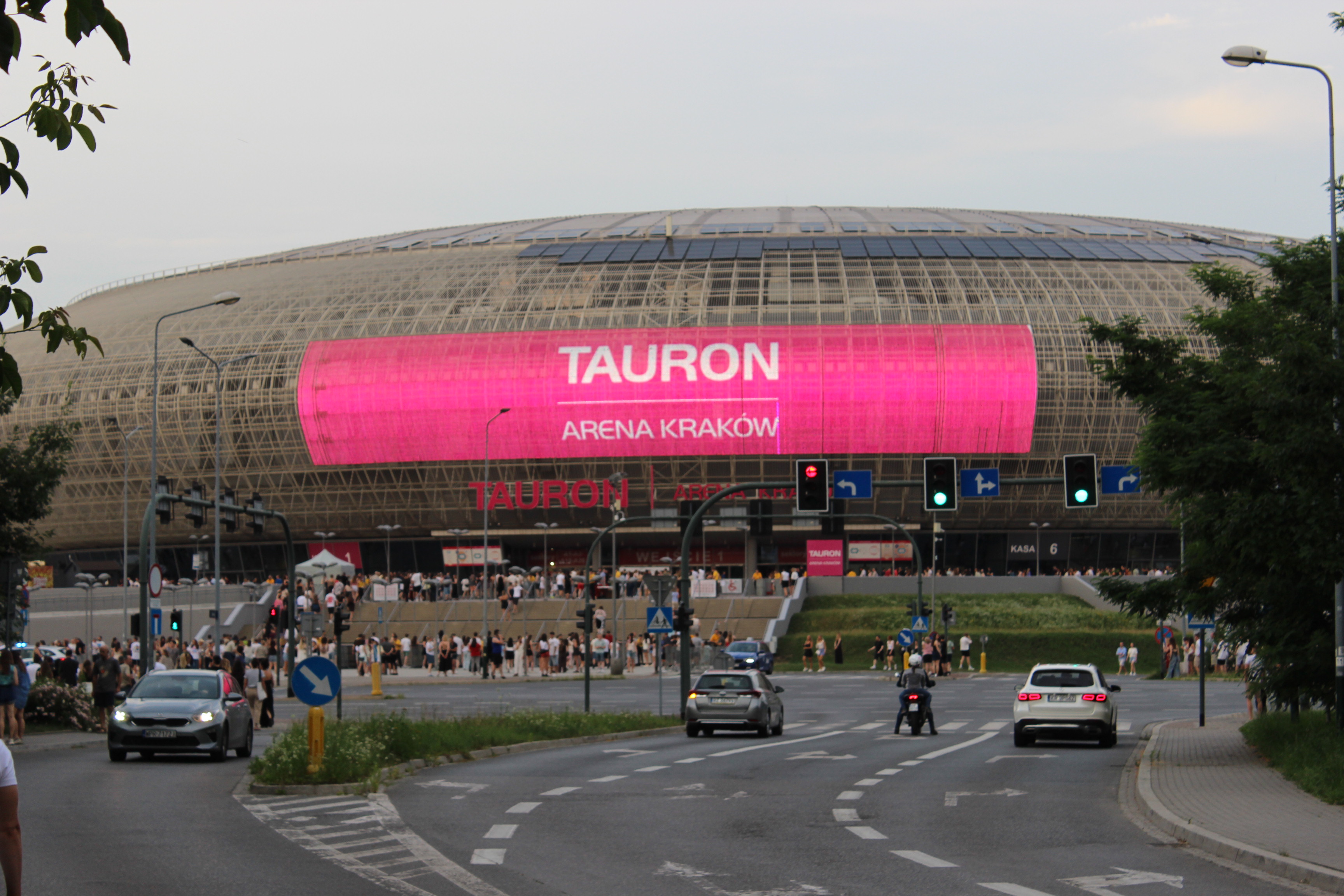
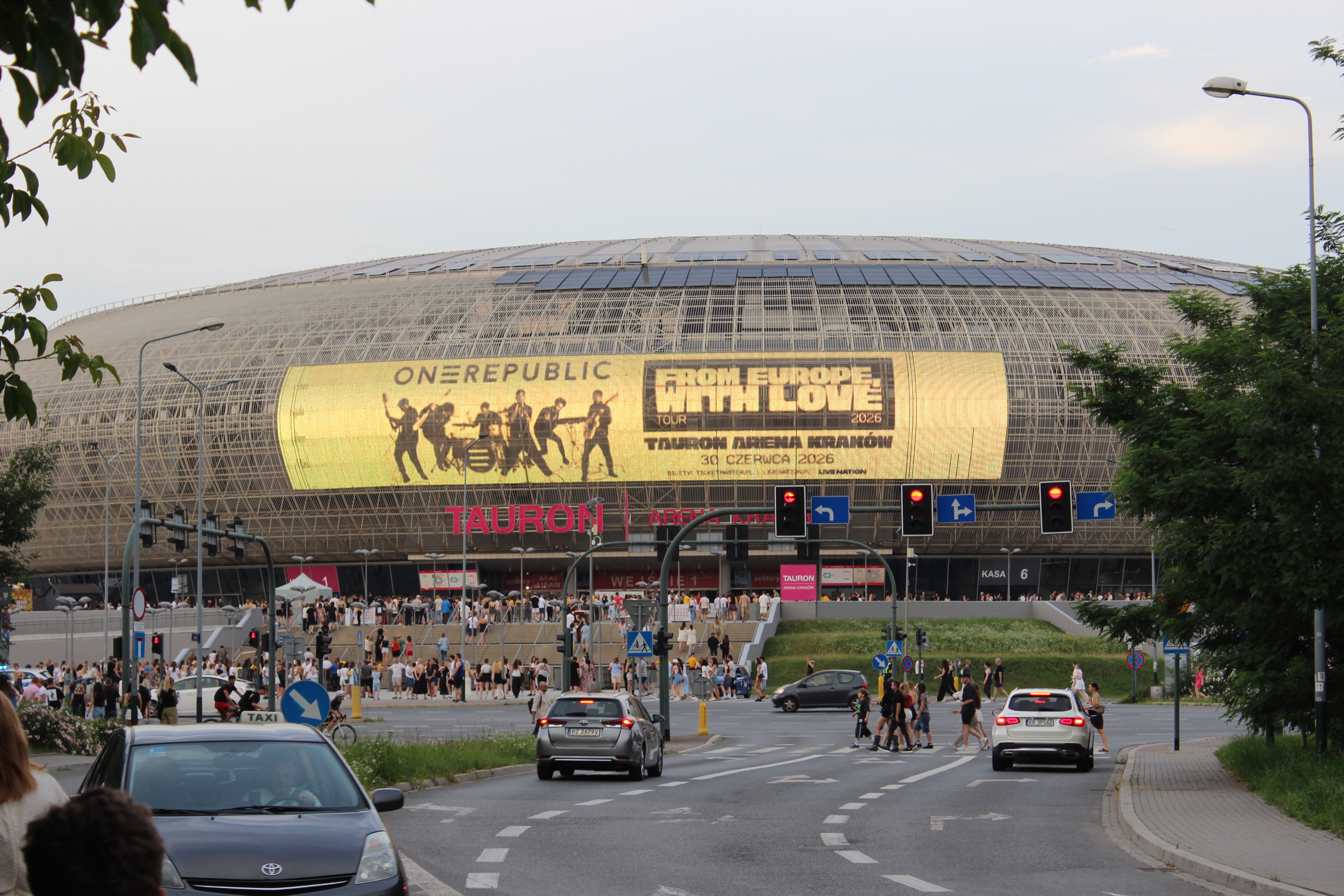
The first is Tauron Arena in Krakow, the largest entertainment and sports hall in Małopolska, on whose facade there is a digital screen with an area of over 500 m2, while other provisions in the resolution prohibit digital advertising (apart from a "small" exception described in the next paragraph) and large-format advertising. The Supreme Administrative Court noted: if a large-format digital screen on a municipal facility does not pose a threat to spatial order, then from an urban planning logic perspective, an identical screen belonging to a private entity should not pose such a threat either.
Second example: advertising at public transport stops
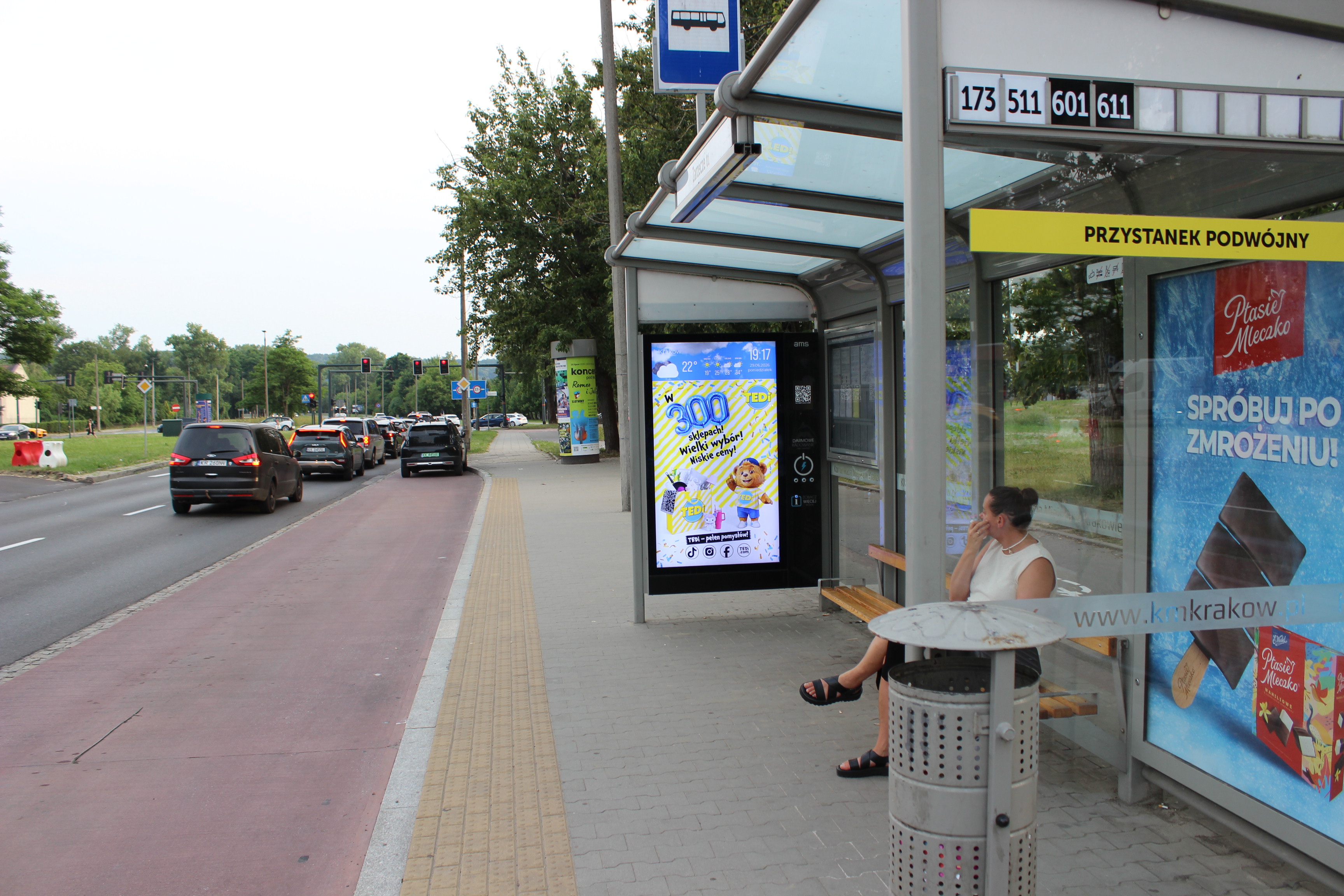
Another example indicated by the court is advertising at public transport stops. Digital displays at stops are another exception for municipal infrastructure introduced in the resolution. Moreover, the authorities of the City of Krakow classify bus shelters for property tax purposes as structures with a dominant advertising function. The court noted that comparable forms of advertising may have a similar impact on public space, the urban landscape, and the aesthetic perception of the surroundings. So why does the resolution only allow this form on municipal infrastructure?
Third example: City Information System (SIM)
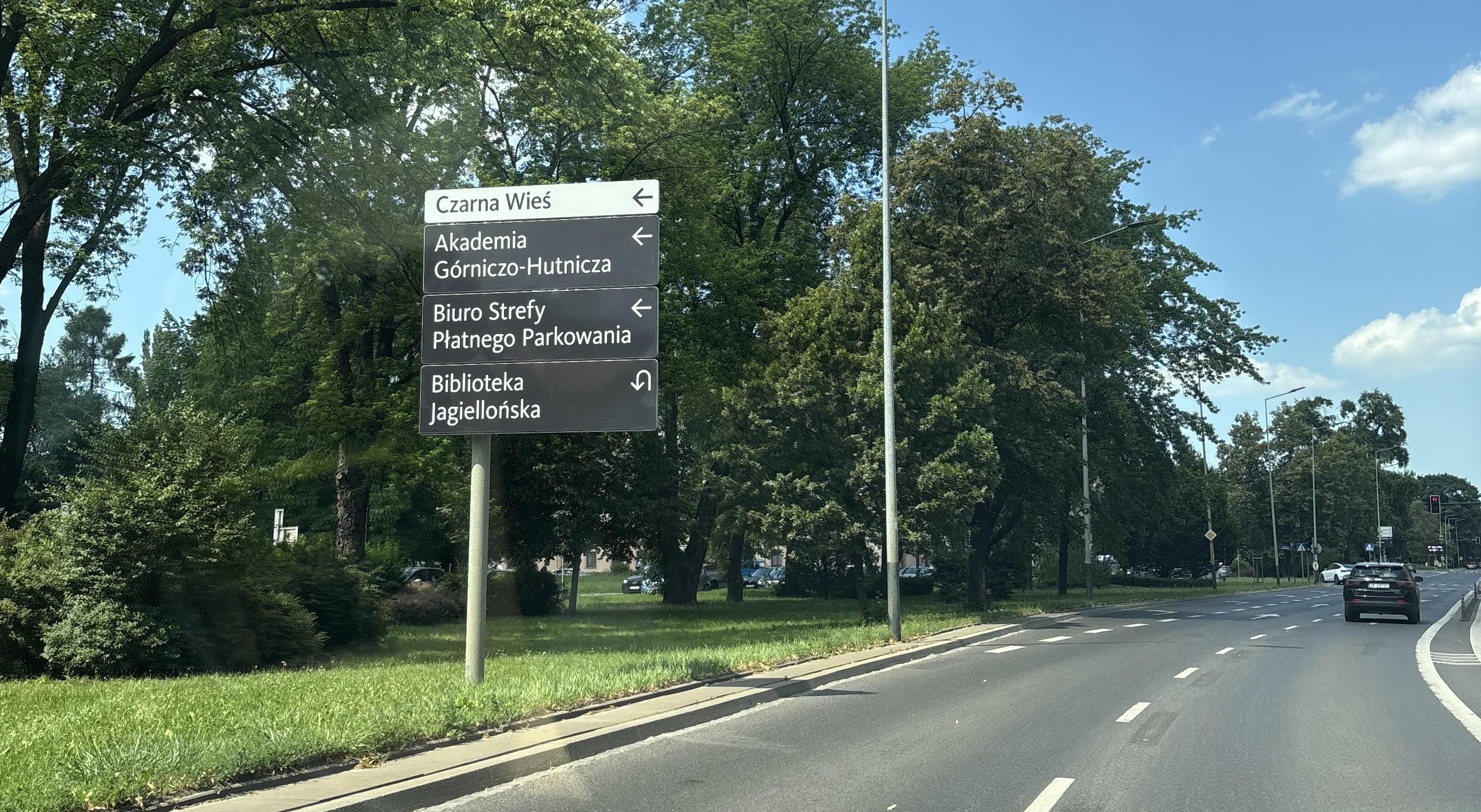
The last example indicated by the Supreme Administrative Court is the City Information System (SIM), which, to put it simply, is directional advertising. However, the resolution exempts this advertising system from all restrictions that apply to other businesses. SIM therefore does not have to comply with rigorous rules regarding: surface area, height, distance from the road, green areas, other advertisements, etc.
The landscape resolution in Krakow undoubtedly exempts many elements of municipal infrastructure from the rules applicable to businesses. However, the catalog of exceptions does not end there. Because in Krakow there are advertising displays that are inconsistent with the resolution's provisions but operate without restrictions in public space.
Exceptions don't end with the resolution's provisions
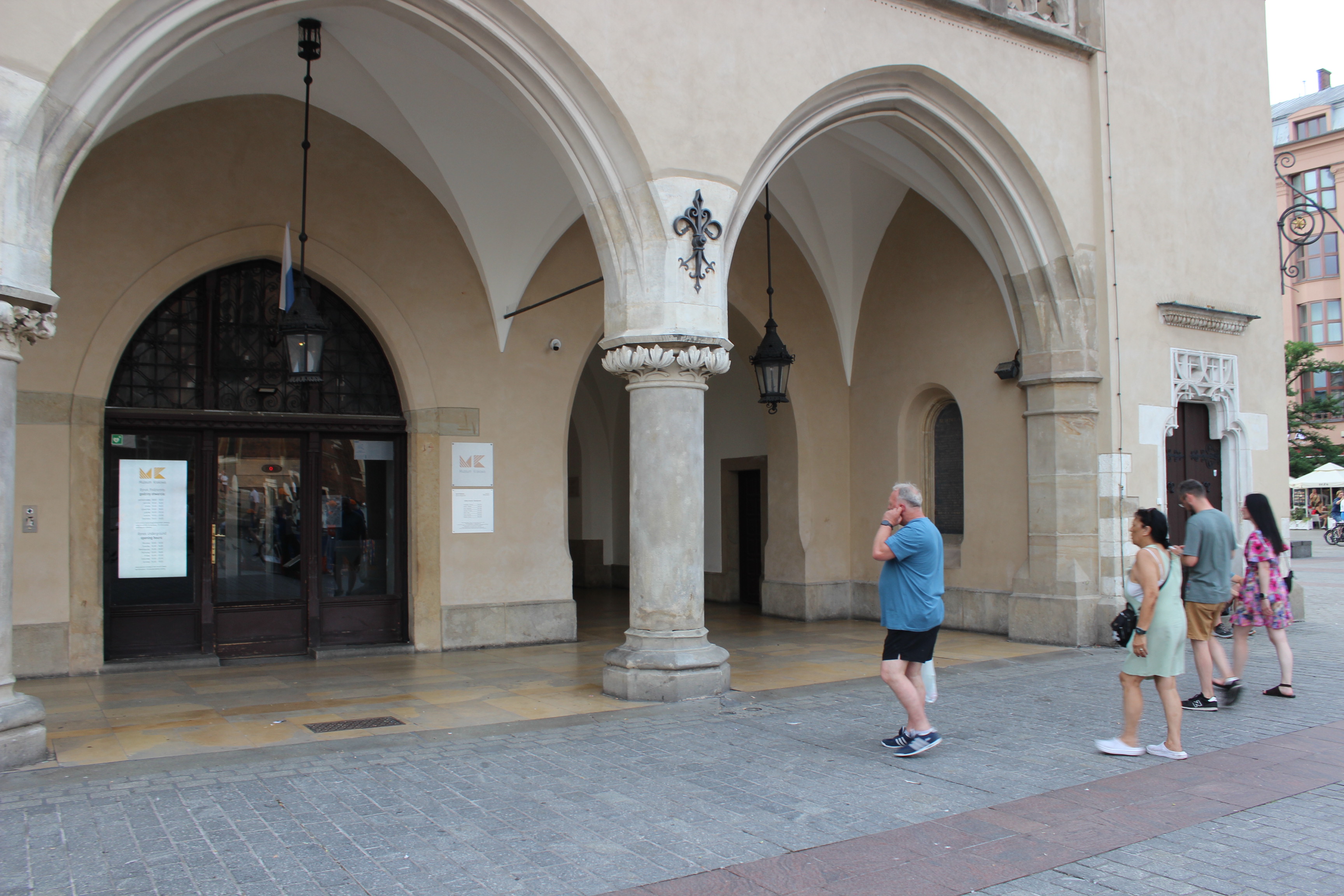
One such example is an advertising display in the Cloth Hall in the Old Town Square. It's a display that advertises the National Museum and shows the museum's opening hours. Its existence is all the more difficult to explain, as it is located in the middle of the Old Town Cultural Park, which takes an extremely rigorous approach to advertising.
Cloth Hall
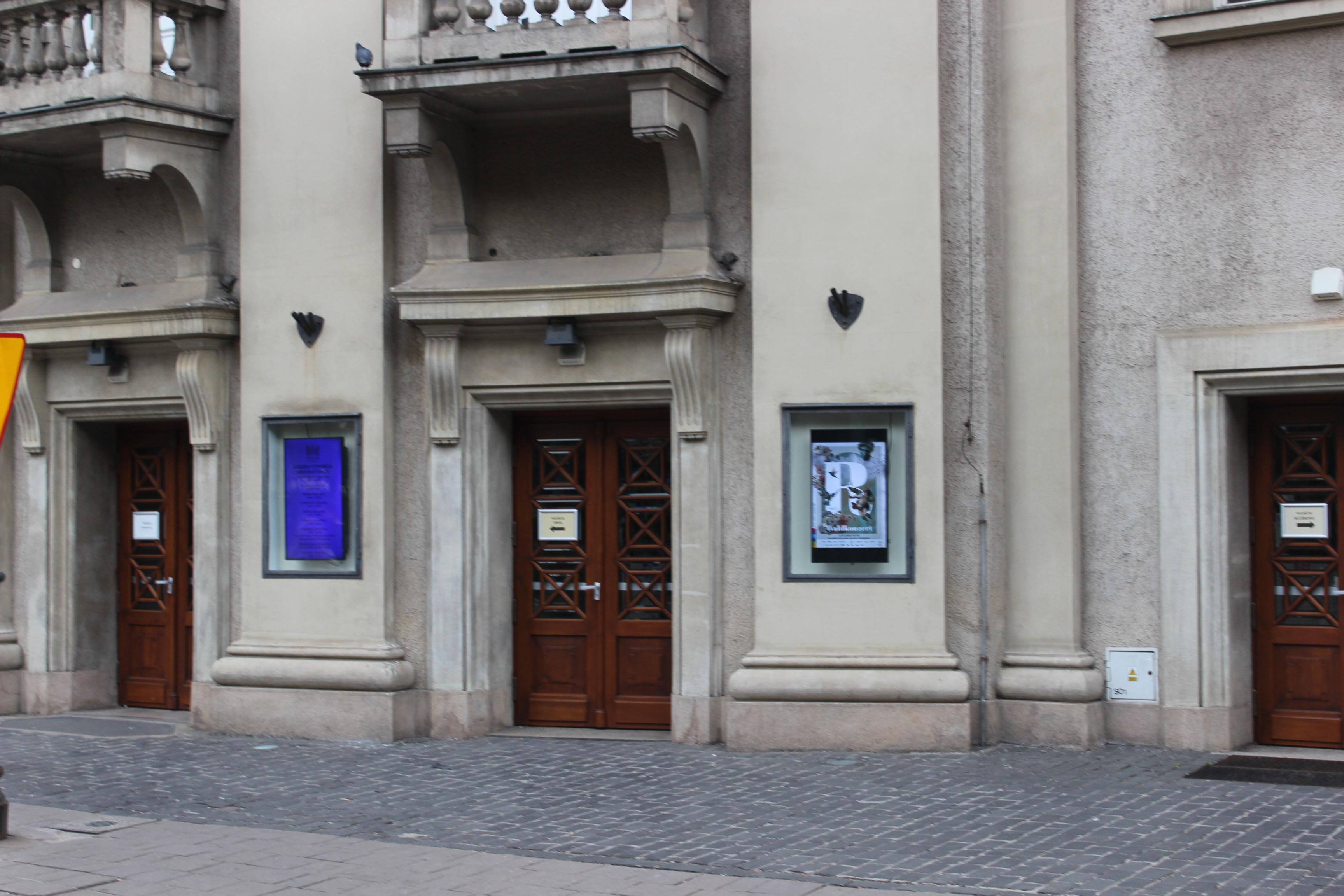
Another example is digital displays on the philharmonic building that advertise the repertoire.
Krakow Philharmonic
The point is not to remove displays informing about the activities of cultural institutions or museums. They serve an important social function and show that outdoor advertising can be a necessary element of public space. However, it's difficult to accept a situation in which identical solutions are permissible only when used by the municipality or a public entity, while businesses are subject to much more far-reaching restrictions. If the purpose of the resolution is to protect the landscape, then the same rules should apply to all participants in public space.
It is precisely the CJEU's answer that will show whether such differentiation of rules can be reconciled with European Union law.